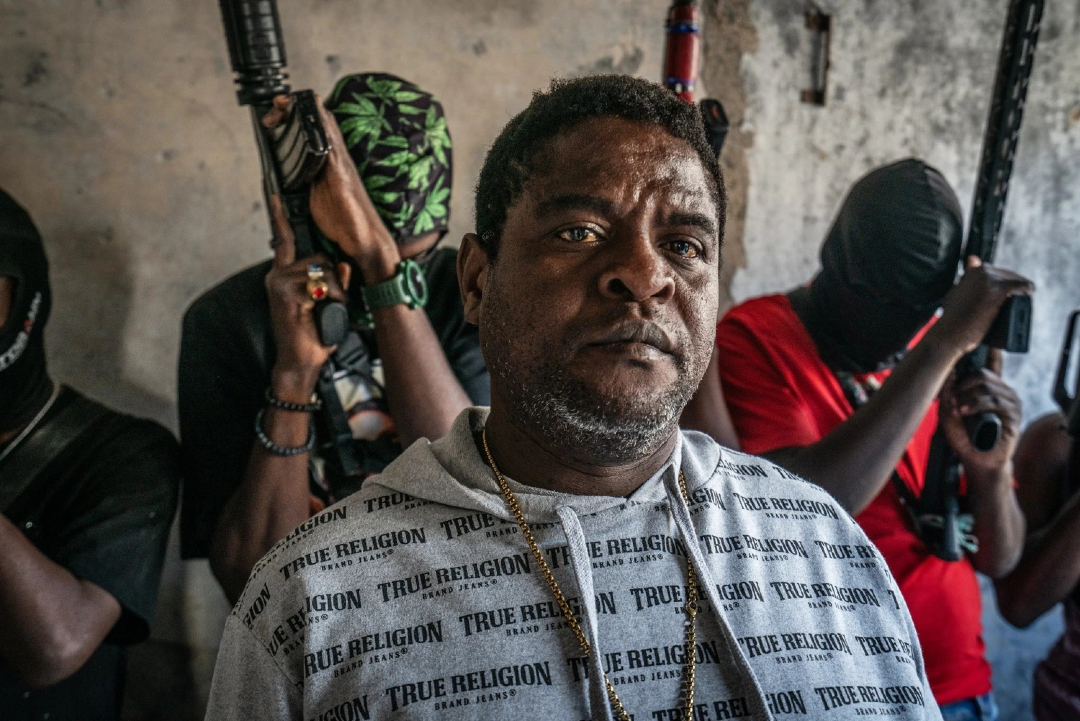
A rumor is moving through social media faster than any official statement can chase it: Jimmy Chérizier — the Haitian gang leader the world knows as "Barbecue," a man with a five-million-dollar United States bounty on his head — has escaped to Jamaica.
Let us be clear at the start, because clarity is the whole point: there is no credible evidence for this claim. No Jamaican newsroom has reported it. No international wire has confirmed it. The Jamaica Constabulary Force has announced no such manhunt, and the most recent reliable reporting places Chérizier in Port-au-Prince, where he has been filmed and quoted within the last two weeks. What exists is a claim, repeated and reshared until repetition starts to feel like proof.
But here is the uncomfortable truth Jamaica must face: even a false rumor of this size can do real damage to a country that is working hard to move forward.
And it is not hard to see why Jamaica would tempt a man on the run. That is what makes this rumor believable enough to spread — and dangerous enough to answer.
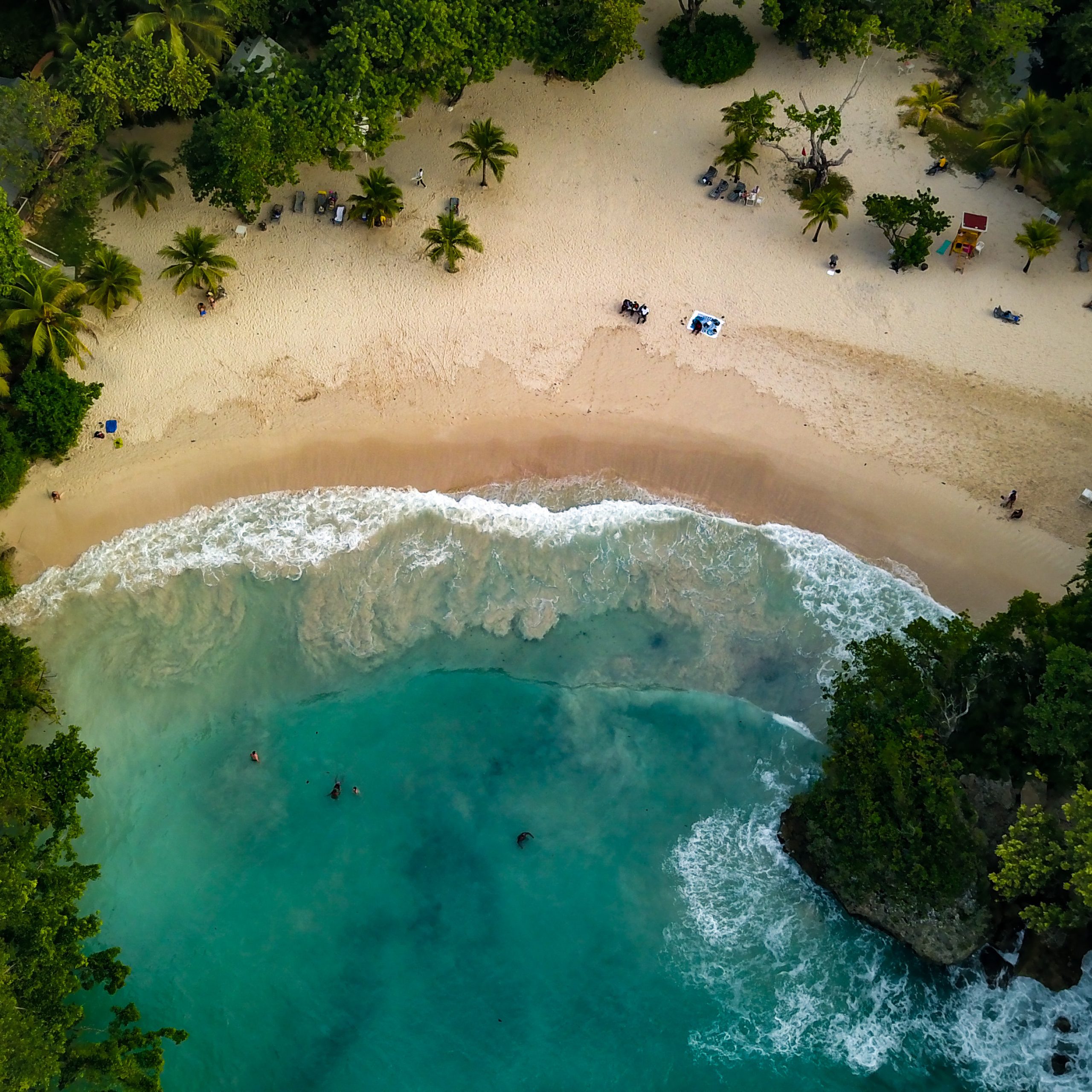
Consider what Jamaica offers a fugitive dreaming of escape. Proximity, first of all: Jamaica sits a short journey across the water from Haiti — close enough to reach, far enough to feel like another world. A culture the whole planet loves: the music, the food, the warmth of the people — an island so rich in life that a stranger can dissolve into it. Beautiful beaches and a busy coast: hundreds of miles of shoreline, fishing villages, and tourist towns where new faces arrive every single day and nobody asks questions. An economy with room to move: tourism brings a constant flow of visitors and cash, the kind of current a man with money can swim in unnoticed. And, perhaps most of all, fair justice. Jamaica is a country of laws and courts. A man facing death at the hands of a mob in Port-au-Prince, or the iron prisons of El Salvador's crackdown, might well calculate that Jamaican justice — due process, a trial, a judge bound by evidence — is the fairest hearing he would get anywhere in the region. Jamaica's decency, ironically, is part of its attraction.
That is the seduction of the story. Now weigh the cost of the reality — because if a man like Chérizier ever did set foot on Jamaican soil, the damage would not be measured in headlines. It would be measured in the life of the island itself.
Tourism does not wait for fact-checks. Jamaica's economy runs on the confidence of visitors — families in New York, Toronto, and London deciding where to spend their winter. A headline whispering that the Caribbean's most notorious gang leader is hiding on the island does not need to be true to empty hotel rooms. It only needs to be *seen*. One viral post can undo a season of marketing, and the correction, when it comes, never travels as far as the lie.
Investors read rumors too. Jamaica has spent years building a story of progress: falling murder rates, infrastructure investment, a growing international profile. That story is fragile. Capital is cowardly — it flees at the first smell of instability. A rumor tying Jamaica to Haiti's gang crisis, however baseless, raises the price of doing business and slows the very progress the country has earned street by street.
Violence follows men like him. Chérizier does not travel alone — he travels with enemies, rivals, and hunters, including those chasing a five-million-dollar bounty. His presence anywhere is a magnet for bloodshed: rival gangs, vigilantes, foreign agents, and the security operations that would descend on wherever he hid. Jamaica has spent years — hard, painful years — driving its murder rate down and building safety and security for its citizens. Communities that finally sleep easier did not get there by accident. One fugitive's safe house could return fear to streets that fought their way out of it.
And there is a deeper depravity to fear. Gang leaders export more than themselves; they export a culture — the glamour of the gun, easy money, and power without work — aimed squarely at vulnerable young men. Jamaica has buried too many of its own sons to that lie already. The island's communities, churches, and families have labored for years to pull their youth back from the edge. A figure like Barbecue, romanticized by some online as a rebel, would poison that work wherever his shadow fell.
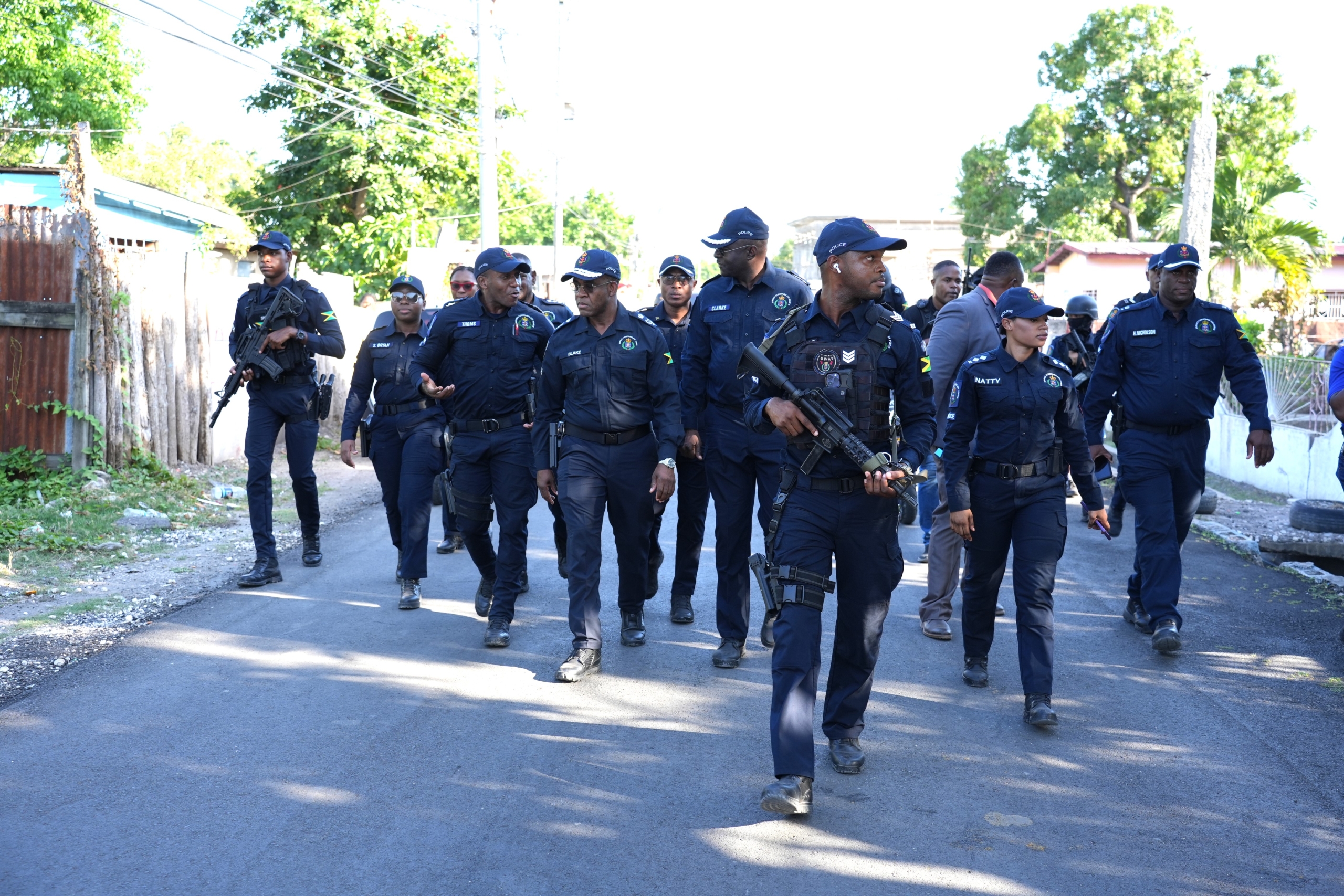
The irony should not be lost on anyone. Jamaica is not standing apart from Haiti's crisis — Jamaican personnel are serving in Haiti right now, as part of the international force trying to restore order in Port-au-Prince. Jamaica has been a *solution* to the region's gang problem. For a rumor to recast the island as a hiding place for the problem's most famous face is not just false; it is an insult to the Jamaicans wearing the uniform over there.
And there is a human cost at home. Every hour this story circulates unchallenged, ordinary Jamaicans — the taxi driver, the hotel worker, the small shopkeeper — pay for it in bookings that don't come and opportunities that quietly go elsewhere. Rumors are not harmless entertainment. For a small island economy, they are a tax on the innocent.
And anyone who knows Jamaica's leadership knows this rumor runs against the character of the man at the top. The Prime Minister has built his public life on law and order and on personal integrity — the steady, unglamorous work of strengthening the security forces, investing in the police and the military, and pulling Jamaica's crime numbers down year after year. That work is his record, and it is written in the lives of citizens who are safer today than they were a decade ago. A Prime Minister who staked everything on that foundation would never — quietly or otherwise — allow a foreign gang leader to find shelter on Jamaican soil and drag that hard work down in vain. The sweat of the police officers, soldiers, and ordinary communities who built this progress is not something this leadership treats lightly, and no one who understands that should believe for a moment that Jamaica's door stands open to the likes of Chérizier.
So what should happen now?
First, official clarity, quickly. Silence is the soil rumors grow in. A firm, public statement from the authorities — confirming there is no evidence Chérizier is in Jamaica and that the borders and ports are being vigilantly monitored — costs little and kills speculation early.
Second, vigilance without panic. Jamaica's security forces are right to treat any such claim seriously behind the scenes. A bounty of five million dollars makes Chérizier a man many countries are watching; Jamaica should be able to say, with evidence, that it is watching too.
Third, responsibility from all of us who share. Every repost of an unverified claim is a small vote against Jamaica's progress. Before we pass on the next "breaking news" screenshot, we owe the island one question: *says who?* If the answer is nobody we can name, the share button can wait.
Jamaica has real challenges, and honest journalism should never flinch from them. But a country fighting to rise deserves to be judged on its facts — not on a rumor with no source, no evidence, and no mercy for the people it harms.
The truth, as it stands today, is simple: Barbecue is Haiti's problem, being confronted in Haiti — with Jamaicans among those confronting him. Jamaica's progress is real. Let's not let an empty rumor slow it down.
Photos: file images — DeepNewz (Cherizier), ListsJa (beach), Jamaica Constabulary Force (patrol), SKN Source (Holness).