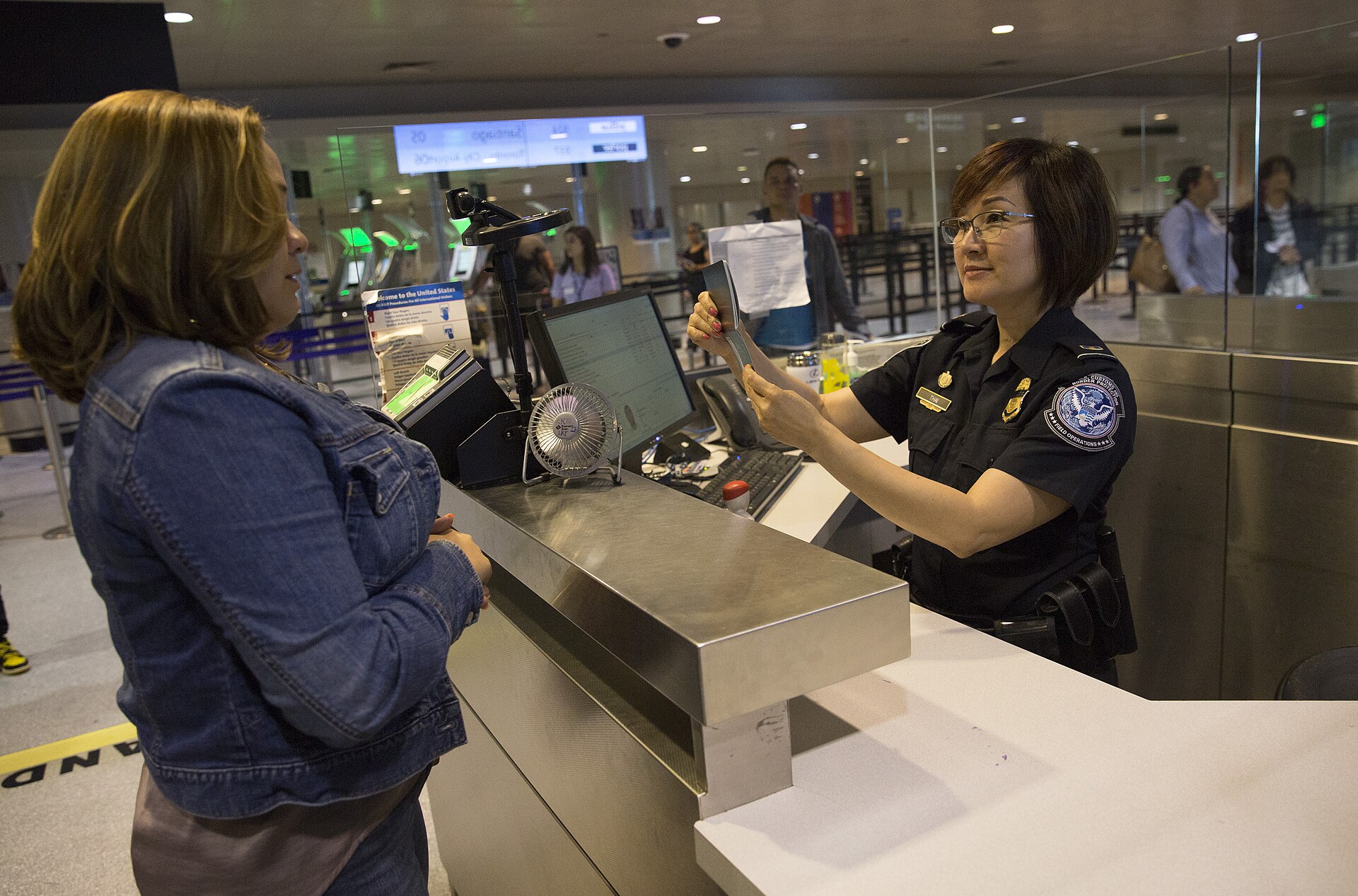
For thirty years, San Juanita Guerra crossed from Texas into Mexico to fill her prescriptions, and for thirty years she came back home to the United States without a problem. Last March, that changed. Officers at the port of entry took her fingerprints, found a weapons-charge conviction from three decades ago — a misdemeanor that had never stopped her from renewing her green card three times — and detained the 74-year-old. She spent 22 days in custody before she was released on bond.
Her story is not an isolated one. A Washington Post investigation published today, November 17, documents case after case of legal permanent residents — people who were vetted, approved, and granted the right to live and work in America indefinitely — being stopped at airports and border crossings and detained over charges from decades ago. Some of those charges were dismissed. Some were expunged. Some, the government claims, were never disclosed on the original paperwork. In the past, most would have drawn a citation at most. Now they are being used to try to strip people of their status.
One Texas border attorney says he alone has handled at least 100 of these detention cases in the last 18 months. Another longtime green card holder, 56-year-old Emiliano Andrade Covarrubias, died in ICE custody last month after being stopped on his way back from Mexico, accused of not disclosing old theft charges from years earlier. A Florida immigration lawyer describes a client, a permanent resident for decades, who was detained at the airport because he had once accidentally registered to vote after the forms came to him in the mail.
How They Are Finding People
This is not happening by chance. Officers are fingerprinting returning residents, checking identification against flight manifests, and mining state and federal databases — including records shared by cooperating states and by the TSA. Old arrests, tax problems, even staying outside the United States for more than six months can now flag a green card holder for detention on the way back in. The Department of Homeland Security would not tell the Post how many green card holders it has detained.
One Texas immigration attorney put it plainly: "I tell all my clients, if you have a green card, just stay home. Don't travel — it's not a good time for that." Lawyers in other states are giving the same advice: if you do not have to go, do not go.
Why Our Community Must Pay Attention
Caribbean people know what December means. It is the season to fly home — to Jamaica, to Trinidad, to Guyana, to Barbados — to see Mama, to sit at the family table, to bury our dead and christen our babies. Thousands of green card holders in New York, Florida, and across the diaspora are pricing tickets right now.
Be cautious. Pay attention. Be vigilant.
If you have ever been arrested, charged, convicted, or had immigration difficulties—even if a case was dismissed, sealed, or expunged—hold off on final travel plans until an experienced immigration lawyer has reviewed your records. The consequences depend on the facts and the applicable immigration law; a past police encounter does not, by itself, settle whether you can return. Do not assume a dismissed or expunged case is irrelevant to immigration review.
Before You Book That Ticket
- See an immigration lawyer first. Not after you buy the ticket — before. Immigration law and criminal law are two different worlds; a case that meant nothing in criminal court can mean everything at the border.
- Get certified copies of your court records for every arrest or charge in your life, even dismissed ones, and have the lawyer read the actual records — not your memory of them.
- Follow your lawyer’s case-specific advice about whether to postpone. A postponed Christmas is painful. A detention cell and removal proceedings are worse. Your family would rather see you on a video call than visit you in custody.
- Discuss extended absences with your lawyer before leaving. A continuous absence of more than 180 days can trigger additional admission scrutiny. A shorter trip is not a guarantee against questioning or other immigration problems.
- Travel with your lawyer's phone number on paper, and make sure your family knows your flight details and when to expect you — and what to do if you do not come through the arrivals door.
- If you do not intend to abandon permanent residence, do not sign Form I-407 without understanding its consequences and seeking legal advice. It records voluntary abandonment and waiver of a hearing on that issue. If you dispute an abandonment claim, ask for immigration-judge review. Refusing to sign does not itself guarantee release from detention.
- Be truthful during inspection and do not guess about old cases or give false information. Ask to contact your attorney and, if needed, request an interpreter. CBP may deny access to counsel during inspection; asking for a lawyer does not automatically stop questioning. Discuss how to handle inspection with your lawyer before travelling.


EDITORIAL COMMENTARY
The Light Will Never Die
Let us speak the truth plainly. The world as we know it has changed drastically. America is still the great melting pot — but this administration is trying to put a lid on it. The United States under this administration is not, today, the beacon of democracy and freedom it has long claimed to be. The words of Lady Liberty — give me your tired, your poor, your huddled masses — are fading from her pedestal.
But her light will never die. It lives in every immigrant who built a life here honestly, who raised American children, who paid taxes and buried parents and kept the faith for thirty, forty, fifty years. A green card was a promise. We intend to hold America to it — carefully, lawfully, and with our eyes wide open.
Until the season changes: protect yourself, protect your status, and think twice before you fly.