The Christmas collection · Faith, food & togetherness
A Caribbean Christmas, wherever home is
From the Caribbean to the USA, Canada, the UK and Australia, a festive table can carry the flavours of home. Share a meal, welcome a neighbour and make room for a new tradition.
Written by Austen Anguina · November 27, 2026
Brooklyn, New YorkToronto, CanadaNew York City — overlooking the East River
Christmas pictures supplied by Mark A. Fairclough. Locations confirmed by Mark.
The Christian meaning of Christmas
Why Christians celebrate Christmas
Christians celebrate Christmas to honour the birth of Jesus Christ. In Christian belief, Jesus is the Son of God, and his birth marks God coming into human life to bring salvation, hope and love. This is the belief Christians call the Incarnation.
The Nativity story in Luke describes Mary and Joseph in Bethlehem, Jesus laid in a manger, and shepherds hearing news of his birth. Matthew connects Jesus’s coming with salvation and God’s presence among people. For Christians, these accounts give Christmas its spiritual meaning.
Worship, prayer, carols, generosity and care for people in need are ways many Christians express that faith. Family meals, lights and presents can accompany the celebration, while its Christian centre remains Jesus’s birth and the hope it represents.
Our Christmas pages welcome everyone to learn, share traditions and help a neighbour, including readers of other faiths and those who do not follow a religion.
Biblical references: Luke 2 and Matthew 1:18–25. Explanation written by Austen Anguina.
Eight recipes · Many ways to celebrate
Christmas flavours across the diaspora
These original recipes from the editorial team are inspired by Caribbean traditions and diaspora celebrations. They are not reader-submitted or kitchen-tested family recipes. Portions and cooking times are approximate; use your ingredients and equipment as a guide.
Measurements use a 240 ml cup, 15 ml tablespoon and 5 ml teaspoon. Conventional oven temperatures are given. Check ingredient labels and your guests’ dietary requirements; refrigerate perishable dishes promptly.
Jamaica · A welcome in every diaspora kitchen
Ginger-spiced sorrel
About 8 cups · Alcohol-free
Ingredients
1 cup dried food-grade sorrel (hibiscus); 8 cups water; a 5 cm piece of ginger, sliced; 1 cinnamon stick; 4 cloves; ½–¾ cup sugar, to taste; lime slices, optional.
Method
Bring the water, ginger, cinnamon and cloves to a boil. Add the sorrel, reduce the heat and simmer for 10 minutes.
Remove from the heat, cover and steep for 30 minutes. Strain through a fine sieve, pressing gently.
Stir in sugar while warm, then cool and refrigerate. Serve cold with lime if you like.
A bright Christmas welcome for a winter gathering in New York or London, or a summer celebration in Australia.
Trinidad & Tobago · A festive vegetarian variation
Lentil, olive & raisin pastelles
Makes about 12 small pastelles
Ingredients
Dough: 2 cups masa harina, about 2 cups warm vegetable stock, 2 tbsp oil, ½ tsp salt. Filling: 1 tbsp oil, 1 chopped onion, 1 chopped sweet pepper, 2 minced garlic cloves, 2 cups cooked drained lentils, ¼ cup chopped olives, 2 tbsp raisins, 1 tbsp rinsed capers, 1 tsp thyme. Softened banana leaves or baking parchment and kitchen string.
Method
Cook onion and pepper in oil until soft. Add garlic and thyme, then lentils, olives, raisins and capers. Cook until the mixture is fairly dry; cool.
Mix the dough ingredients, adding stock gradually until soft and pliable. Divide into 12 balls and flatten each between pieces of parchment.
Place a spoonful of filling in the centre, fold the dough over it and wrap securely in banana leaf or parchment. Tie with kitchen string.
Steam over simmering water for 40–45 minutes, checking the pan does not dry out. Rest briefly, unwrap and serve.
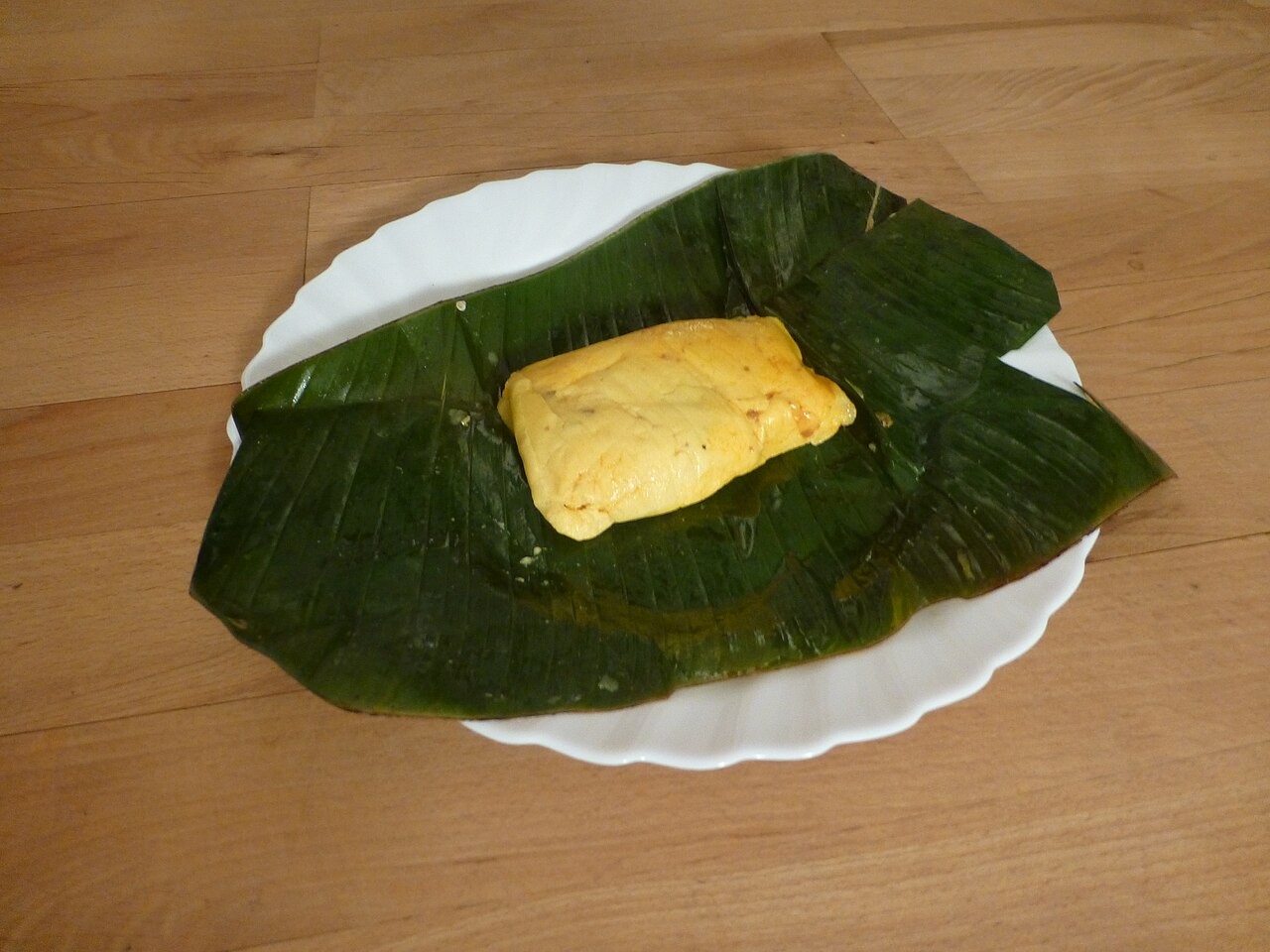
An original vegetarian adaptation inspired by Trinidad and Tobago’s Christmas pastelle tradition.
Barbados · For a shared holiday table
Coconut & raisin sweet bread
One 23 × 13 cm / 9 × 5 in loaf
Ingredients
2 cups plain/all-purpose flour; 2 tsp baking powder; ½ tsp nutmeg; ¼ tsp salt; ¾ cup sugar; 1 cup unsweetened grated coconut; ¼ cup raisins; 4 tbsp softened butter; ¾ cup milk, plus a little if needed; 1 tsp vanilla.
Method
Heat the oven to 180°C / 350°F. Grease and line a loaf tin. Mix flour, baking powder, nutmeg, salt and sugar.
Rub in the butter. Stir in coconut and raisins, then milk and vanilla to form a thick, soft dough. Add a small splash of milk if dry.
Transfer to the tin. Bake for 45–55 minutes, until a skewer inserted into the centre comes out without wet batter. Cool before slicing.
A Barbados-inspired sweet loaf for tea, coffee and a visit from friends.
Guyana · A shorter-preparation Christmas bake
Guyanese-inspired dark fruitcake
One 20 cm / 8 in round cake · Alcohol-free
Ingredients
2 cups mixed raisins and chopped prunes; 1 cup grape juice; ½ cup butter; ½ cup dark brown sugar; 2 eggs; 1½ cups plain/all-purpose flour; 1 tsp baking powder; 1 tsp cinnamon; ¼ tsp each nutmeg and ground cloves; 1 tbsp food-grade cake browning, optional.
Method
Simmer fruit and grape juice gently for 10 minutes. Cool completely, then pulse to a coarse paste.
Heat the oven to 160°C / 325°F. Grease and line a deep 20 cm cake tin. Beat butter and sugar, then add eggs one at a time.
Fold in the fruit, flour, baking powder, spices and optional browning. Spoon into the tin.
Bake for about 75–90 minutes, until the centre is set and a skewer comes out without wet batter. If the top darkens early, cover loosely with foil. Cool in the tin.
This is an editorial, shorter-preparation variation inspired by the Christmas fruitcake tradition; it is not the same as a long-aged family black-cake recipe.
Puerto Rico · A creamy festive drink
Coconut coquito, without rum
About 8 small servings · No eggs
Ingredients
1 can coconut milk (about 400 ml); 1 can evaporated milk (about 350 ml); 1 cup sweetened cream of coconut; ½ cup sweetened condensed milk; 1 tsp vanilla; ½ tsp cinnamon; a pinch of nutmeg.
Method
Blend all ingredients until smooth. Taste and add a little more coconut milk if you prefer a lighter drink.
Transfer to a clean covered container and refrigerate until thoroughly cold. Shake or stir before pouring.
Serve in small glasses with a light dusting of cinnamon. Keep chilled.
Use sweetened cream of coconut, not unsweetened coconut cream. Check ingredient labels for guests’ dietary needs.
Soften onion and pepper in oil. Add garlic, tomato paste and oregano; stir for one minute.
Add pigeon peas, rice and stock. Bring to a boil, then cover and reduce to a very gentle simmer.
Cook for about 18–20 minutes, until the rice is tender and liquid absorbed. Remove from heat, leave covered for 10 minutes, then fluff gently.
A home-style editorial version inspired by Dominican pigeon-pea rice. Family methods and seasonings vary.
UK diaspora · Caribbean flavours at the winter table
Caribbean-spiced festive roast vegetables
Serves 4–6 · Plant-based
Ingredients
500 g potatoes, cubed; 400 g pumpkin or squash, cubed; 3 carrots, sliced thickly; 1 ripe plantain, sliced; 3 tbsp oil; 1 tsp thyme; ½ tsp ground allspice; ½ tsp paprika; salt and black pepper.
Method
Heat the oven to 220°C / 425°F. Toss potatoes, squash and carrots with 2 tbsp oil and the seasonings. Spread over a large roasting tray.
Roast for 20 minutes. Toss the plantain with the remaining oil, add to the tray and turn the vegetables.
Roast for another 20–25 minutes, until tender and golden. Serve as a colourful Christmas side.
A new editorial recipe for a Caribbean-inspired roast dinner, rather than a claim of one fixed national tradition.
Australia diaspora · A fresh summer Christmas side
Mango, pineapple & lime salad
Serves 4–6 · Plant-based
Ingredients
2 firm ripe mangoes, diced; 2 cups fresh pineapple chunks; 1 cucumber, diced; juice of 1 lime; 1 tbsp olive oil; a small handful of chopped mint; a pinch of salt; a little fresh chilli, optional.
Method
Combine mango, pineapple and cucumber in a serving bowl.
Whisk lime juice with olive oil and salt. Add chilli only if everyone at the table enjoys it.
Toss the fruit with the dressing and mint just before serving. Keep chilled until the meal.
A Caribbean-inspired option for an Australian summer gathering, with no claim that it represents every family’s Christmas table.
An unwrapped pastelle on a banana leaf, November 29, 2014. Archive example of the dish, not a photograph of the editorial recipe. Photo: Grueslayer / Wikimedia Commons · CC BY-SA 4.0. Resized and compressed; same licence.
December 2026 · Faith, understanding & respect
Different traditions. A place for every neighbour.
The Caribbean is home to many faiths. Learning why a neighbour celebrates is one way to show respect. These selected observances have distinct meanings; customs vary between families and congregations. Readers of every faith and readers without a religious affiliation are welcome.
Hanukkah / Chanukah · Judaism
Sunset December 4 to nightfall December 12, 2026. Hanukkah commemorates the rededication of the Temple in Jerusalem following the Maccabean victory. Jewish tradition recalls a small supply of sacred oil lasting eight days.
Families light a hanukkiah over eight nights, adding a light each evening; a separate helper light is called the shamash. Blessings, songs, charitable giving, dreidel games and foods cooked in oil—such as latkes and sufganiyot—are familiar traditions. Practices differ across Jewish communities.
In Jamaica, Chabad has announced public celebrations in several towns, including Montego Bay, Negril and Ocho Rios. Its December 3 Kingston and Port Antonio gatherings are pre-Hanukkah events. Check the organiser’s programme for venues and times.
Gita Jayanti honours the Bhagavad Gita and, in Hindu tradition, the teachings given by Lord Krishna to Arjuna. Devotees may read or recite the scripture, join devotional gatherings, reflect on its teachings and share copies with others.
December 19–20, 2026: Trinidad and Tobago’s Sanatan Vidwad Vidyalaya calendar gives the observance’s lunar period from December 19 at 4:20 p.m. to December 20 at 3:11 p.m., using Trinidad calculations. Follow your local mandir’s guidance for its chosen observance and programme; these are calendar boundaries, not advertised service times.
December 8 · Immaculate Conception: Catholics honour their belief that Mary was conceived free from original sin. This feast concerns Mary’s conception. Prayer and Mass are central observances.
December 12 · Our Lady of Guadalupe: Catholics remember the tradition of Mary’s appearances to Juan Diego in Mexico in 1531. The Archdiocese of Port of Spain identifies both Marian feasts as important days during Advent.
December 16–24 · Puerto Rico’s Misas de Aguinaldo: Dawn Masses prepare worshippers for Jesus’s birth. Aguinaldos and traditional instruments give these gatherings their distinctive Puerto Rican sound, bringing faith, music and community together.
Also in the season: Kwanzaa · A cultural celebration
December 26, 2026–January 1, 2027. Kwanzaa celebrates African heritage, family and community. It is a cultural observance open to people of different faiths. Traditions include lighting the seven candles of the kinara, reflecting on seven principles, storytelling, music and a shared feast. Unity, creativity and collective responsibility are among its themes.
Does your congregation or family mark another December observance? Share its name, meaning, traditions and an official community source. We welcome contributions from Muslim, Buddhist, Sikh, Bahá’í, Rastafari and other communities, alongside those represented here. This is a selected guide, not a complete religious calendar; an observance’s absence does not diminish a community’s place in Caribbean life.
Written by Austen Anguina · Sources reviewed November 27, 2026. Confirm gathering details with the faith community hosting them.
Your family belongs in this collection
What is Christmas like in your home?
Which dish brings everyone to the table? What do you cook, sing, remember or share? Tell us your Caribbean connection and the city or country where you celebrate. Readers of every background, culture, age and faith are welcome.
Send your own recipe, the story behind it and a photograph you have permission to publish. Include the ingredients, measurements, method, serving size and photo credit. We review contributions before publication.
Helping a neighbour, sharing a meal, donating a gift or volunteering your time? Tell us what you are doing or have already done, and how others can help. Kindness belongs to everyone.